How Blockchain Networks Store and Verify Information

How Blockchain Networks Store and Verify Information

Blockchain networks store data as linked blocks that form a secure, distributed ledger. Each block links to the previous one via a cryptographic hash, anchoring the chain. Cryptography makes tampering evident and ensures verifiable records. Consensus mechanisms validate new blocks…

How Blockchain Sharding Works

How Blockchain Sharding Works

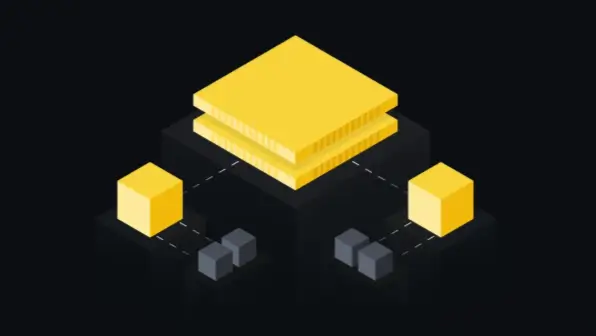
Blockchain sharding divides data and work into multiple shards, each with its own consensus. Transactions are processed in parallel, increasing throughput. Shards hold subsets of state and manage cross-shard messages to preserve coherence. Data availability and cross-chain verification enable state…

How Artificial Intelligence Helps Reduce Energy Consumption

How Artificial Intelligence Helps Reduce Energy Consumption

Artificial intelligence enables precise energy reduction through data-driven optimization of buildings, grids, and consumer devices. Smart cooling, predictive lighting, and occupancy-aware HVAC setpoints balance comfort with load management, while real-time grid forecasting and storage coordination smooth variability. These capabilities support…

How AI Technology Supports Wind Energy Optimization

How AI Technology Supports Wind Energy Optimization

AI enables wind energy optimization by converting turbine data, forecasts, and maintenance records into actionable insights across the lifecycle. Predictive analytics quantify reliability and risk, while real-time control and digital twins benchmark performance. Across design and operations, AI mediates trade-offs…